For patients · 3 min read
How to read a clinic's regenerative claim
The category is full of pages that sound like evidence. Here is how to tell which parts of one are load-bearing.
Search almost any condition alongside "stem cells" and you will find a clinic page that reads like a research summary. Some of them are careful. Most are doing something subtler than lying, and it is worth being able to see it.
Separate the mechanism from the outcome
A page will often describe, accurately, what a cell type does in a dish — reduces inflammatory signalling, differentiates, releases growth factors. All of that can be true and still tell you nothing about whether an injection helps a person with a particular condition. The mechanism paragraph is doing emotional work the outcome paragraph cannot.
Look for the population
"Patients report improvement" is not a finding. How many people, over what period, measured how, compared with what? If a page cannot answer those four, it is describing an impression.
Notice what the disclaimer takes back
Read the small print at the bottom against the headline at the top. A page that promises recovery and then states it is not intended to diagnose, treat, cure or prevent any disease has told you which of the two sentences its lawyer believes.
A worked example, without naming anybody
Here is the genre in its most common form. A wellness centre publishes a page offering a perinatal-derived biologic alongside low-level laser therapy, for stroke rehabilitation. The page is calm, it is referenced, and it reads like a summary of a research field rather than an advertisement.
Run the four checks above and the structure appears. The mechanism section is accurate and is about cells in a laboratory. The outcome section is about people, and it is written in the language of report rather than measurement — patients have experienced, many notice. No population is ever named: not how many, not over how long, not measured how, not compared with what. And at the foot of the page a disclaimer states that nothing there is intended to diagnose, treat, cure or prevent any disease, which contradicts the reason anyone with a stroke in the family opened the page in the first place.
It is worth being precise about the size of that objection. The clinic may be run by careful people. The material may be well documented. Neither of those things supplies the missing evidence, and the disclaimer at the bottom is the page's own admission that it is missing.
Two videos worth more than this article
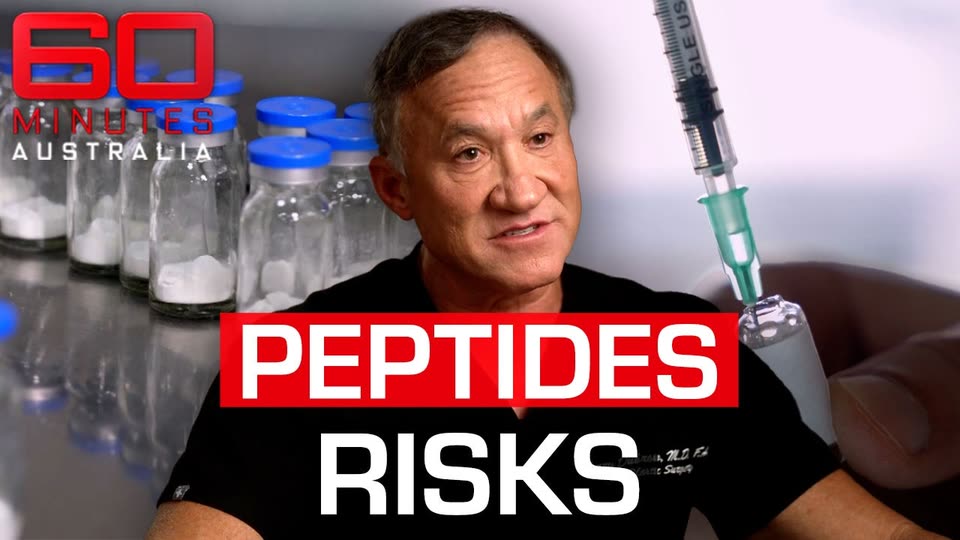
If you would rather hear this from people with no stake in it: two orthopedic surgeons on whether cartilage can actually be regrown, and a national broadcaster's investigation into the peptide trade — which is critical of the business we are in, and which we publish for that reason. Both are on our worth watching shelf.
Three questions worth asking a clinic
- What exactly are you injecting, and can I see the documentation for that specific lot?
- What happens if I am not a candidate — do you tell me, and what do you tell me instead?
- What are you not claiming? The answer is the most informative thing on the call.