For patients · 2 min read
Why we will not sell to you directly
This is the answer to the most common message we get, and it is a no. Here is the reasoning, because a no without reasoning is just a wall.
Somebody reads about a compound, finds a supplier's website, and asks the obvious question: can I just buy it. The answer here is no, and it is worth setting out why, because no on its own sounds like gatekeeping and it is not.
The first reason is the one that matters to you
Nobody at a supply company has seen your bloodwork, knows what else you are taking, or can tell you whether you are a candidate for anything. We are not being modest about that — it is a structural fact about what a supplier is. We handle material and documentation. A decision about a person requires somebody who can examine the person.
The failure mode is not dramatic and it is not rare. It is somebody taking something that interacts badly with a medication they did not think to mention, because there was nobody in the conversation whose job it was to ask.
The second reason is about what happens next
Material of this kind has handling requirements — storage temperature, reconstitution, sterile technique, timing. A clinic has a fridge with a logged temperature, a trained person, and a procedure for what to do when a shipment arrives warm. A kitchen does not.
The third reason is that it would be illegal in most of the places we operate
Perinatal biologic products of this kind are not FDA approved for the prevention, treatment, mitigation or cure of any disease, and the channels through which they may legally move are narrow. Selling them to a member of the public is not a grey area we have chosen to avoid out of caution. It is outside the line.
Anybody who will sell to you directly is either operating outside that line or is selling you something other than what you think they are selling. Both are worth knowing before money changes hands.
What you can do instead
- Find a licensed clinician who works in this area and can assess you specifically. That conversation is the one that determines whether any of this is relevant to you.
- Ask them what they use, where it comes from, and whether you may see the documentation for the lot they intend to use. A good clinic will not find that question strange.
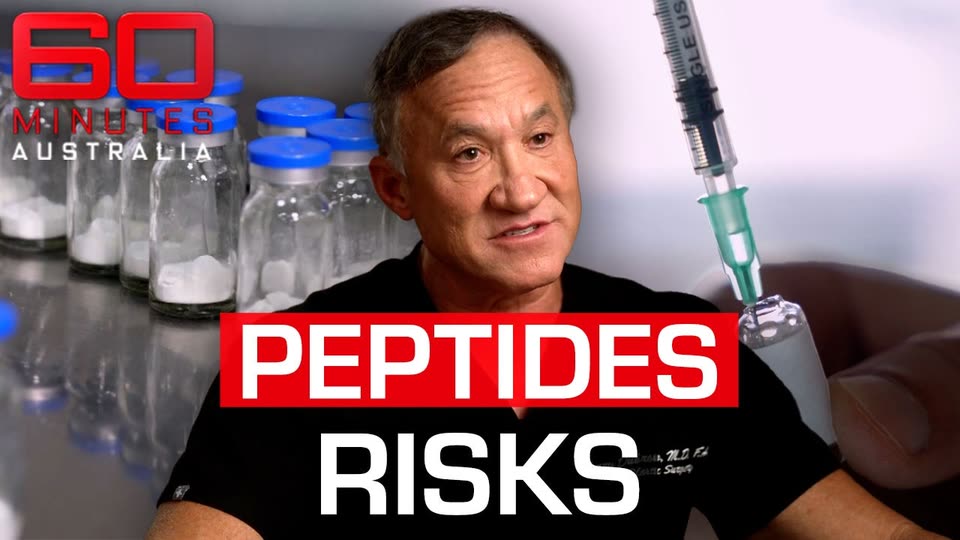
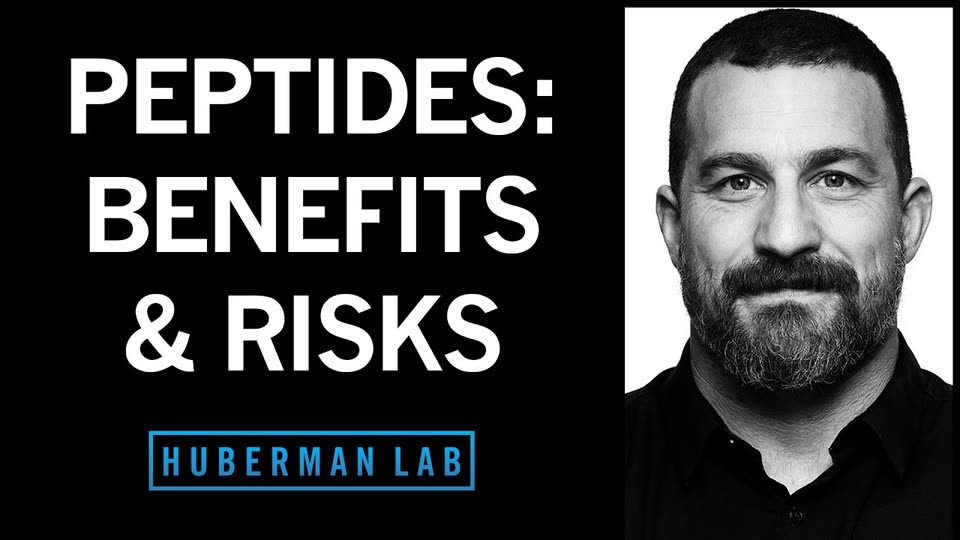
- Read what the honest sources say about risk before you read what the sellers say about benefit. We keep a shelf of the former.
And the uncomfortable version
If a clinician tells you that you are not a candidate, that is not a door closing on you. It is the single most useful thing a practitioner can say, and it is the sentence that separates a practice from a shop. Anyone who has never said it to anybody has told you something about how they make decisions.